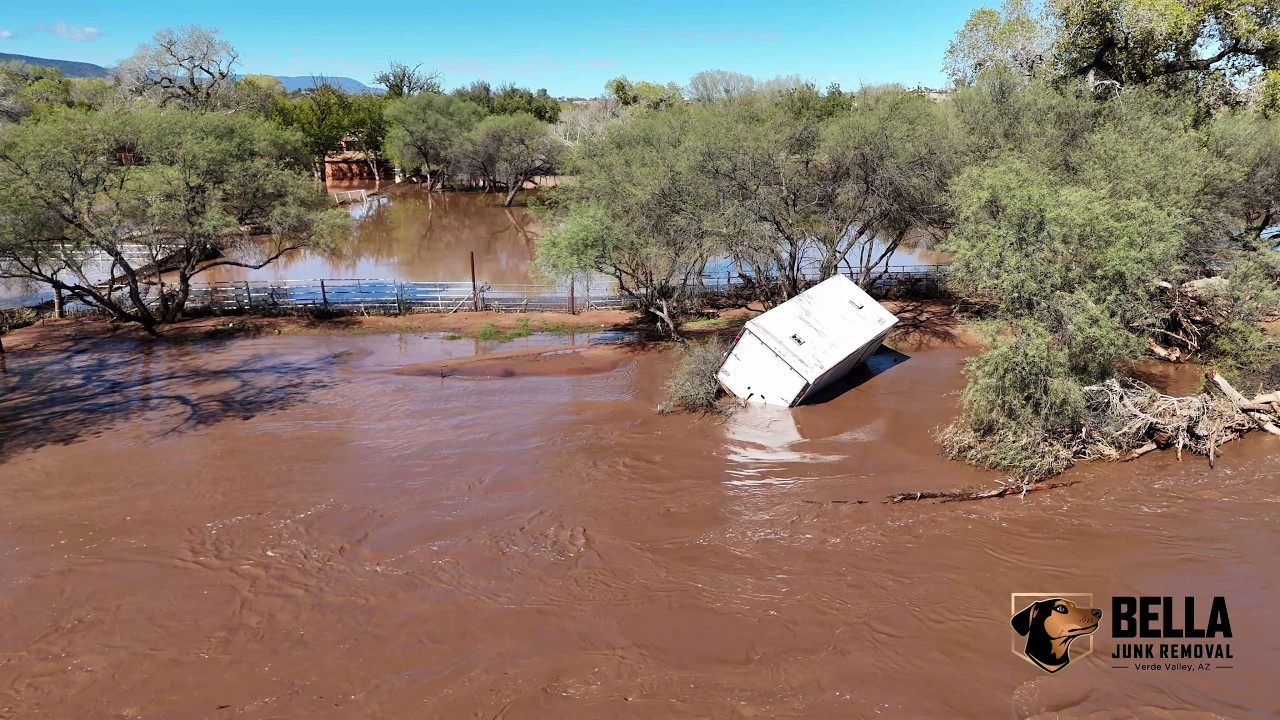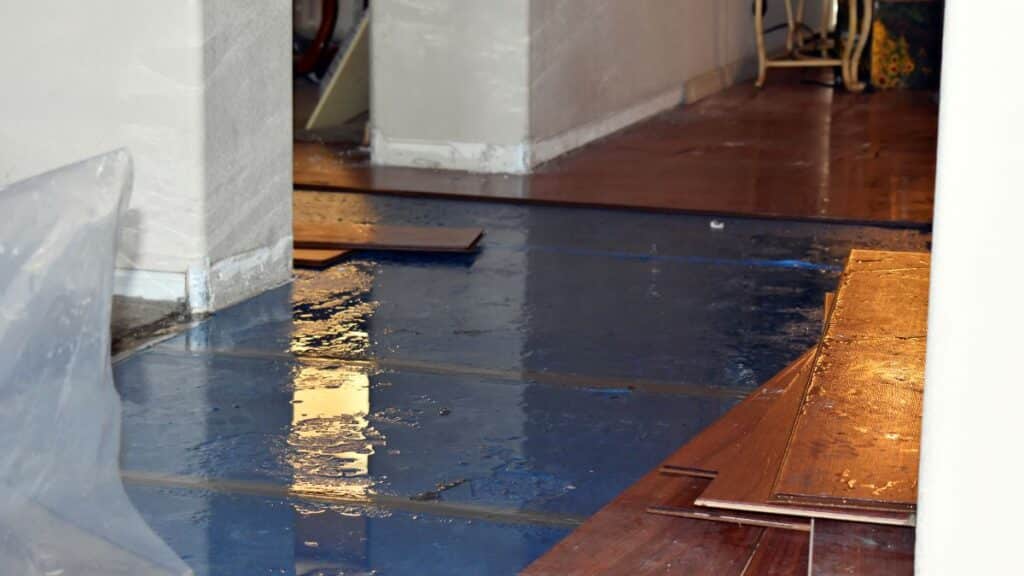
Flood cleanup after the Oct. 30 to Nov. 2, 2026 flood is now the job in front of a lot of our neighbors in Camp Verde, Sedona, Cottonwood, Cornville, Rimrock and Lake Montezuma. The water is going down. What it left behind is mud, soaked drywall and ruined furniture, and anything that stays wet longer than 24 to 48 hours is at risk of mold.
This guide walks through it in order: getting back in safely, protecting your insurance claim, drying the house, deciding what to keep, and getting the debris out. Every safety and health step links to the agency that published it, so you can check it yourself.
We’re a junk removal company in Camp Verde. We haul and clean out. We don’t do water extraction, drying or mold remediation, and we’ll tell you below when you need the people who do.
For what happened during the flood, river levels and evacuation details, see our Verde Valley flood 2026 news page. Last updated: Nov. 2, 2026.
The Short Version: Your First 72 Hours
- Wait for the all clear. Go back only when officials lift your GO order and say it’s safe.
- Look before you walk in. Check outside for downed lines, gas smell, cracks and sagging.
- Kill the power safely. Only switch it off from a dry spot. If you’d have to stand in water, call an electrician.
- Photograph everything before you move or throw anything out.
- Call your insurance company and start the claim. Ask what cleanup costs they cover.
- Get the water and wet stuff out fast. EPA says anything you can’t clean and dry within 24 to 48 hours should go (EPA).
- Keep samples of carpet, flooring and blinds for the adjuster if you have to toss them early (FEMA NFIP).
- Wear a mask, goggles and gloves. EPA’s minimum is an N95 respirator, sealed goggles and gloves.
- Throw out food, drinks and medicine that touched floodwater (Red Cross).
- Keep kids and pets out until cleanup is done (CDC).
Flood Cleanup: Do It Yourself or Call a Pro?
Most flooded homes end up with a mix. You handle what’s safe and simple, and you bring in the right specialist for the rest. Here’s how to sort it.
You can usually handle it yourself if:
- The water was clean rainwater, not sewage or mud from a creek.
- The wet area is small, like one room or a section of floor.
- The power is off or an electrician has already cleared it.
- You’re healthy, with no asthma, breathing problems or weak immune system. EPA says people with those conditions face higher risk from mold (EPA mold guide).
- You can get things dry within 24 to 48 hours.
Call a pro if:
- Floodwater came from Oak Creek, Wet Beaver Creek, West Clear Creek or the Verde. Creek and river water carries mud, sewage and debris. CDC notes a flooded home may be contaminated with sewage (CDC).
- Water got into walls, insulation or under flooring across more than a room.
- Your HVAC system or ducts took on water. EPA says don’t run it to dry the house until a professional cleans it (EPA).
- You smell gas, see sparks, or the structure looks off.
- The home was built before lead paint and asbestos rules, and you’d be cutting drywall or pulling flooring. EPA warns that disturbing those materials can raise what’s in the air.
- Mold is already visible and spreading.
Which pro do you need?
- Electrician: before power goes back on, and for any wet outlets, panels or appliances.
- Gas company or plumber: any gas smell, or a propane system that was flooded.
- Water damage restoration company: extraction, structural drying, moisture readings.
- Mold remediation: large or returning mold, or anyone in the house with health risks.
- Junk removal or hauling: getting ruined furniture, carpet, drywall, appliances and yard debris out once you’ve documented it. That’s us.
Clean, Gray or Black Water: Why It Matters
Restoration pros sort water damage into three categories, based on how dirty the water is, not how much there is. The categories come from the IICRC S500 water damage standard and are summarized by the Massachusetts state health guidance.
| Category | What it is | Examples |
|---|---|---|
| Clean water (Category 1) | From a clean source, no major germs | A broken supply line, rain through a roof or window |
| Gray water (Category 2) | Some chemical or germ contamination, can make you sick | Washing machine or dishwasher overflow, sump pump failure |
| Black water (Category 3) | Heavily contaminated, can cause serious illness | Sewage, and rising floodwater from rivers and creeks |
What this means for you:
- Treat water that came up out of Oak Creek, Wet Beaver Creek, West Clear Creek or the Verde River as black water unless a professional tests it and says otherwise. Treat soaked porous items as contaminated and lean toward a pro.
- Clean water can turn into gray or black water the longer it sits, so speed still matters.
- The industry group behind the standard notes that weather-related water is not automatically black water; it depends on how contaminated it is (IICRC).
Keep or Toss: 6 Questions to Ask About Every Item
These six questions come from FEMA, EPA, CDC and Red Cross guidance. They settle most of the calls for you.
- Did floodwater touch it, and is it porous? Mattresses, upholstered furniture, carpet and pad, drywall, insulation, cardboard and stuffed toys soak up water and whatever was in it. Red Cross and EPA both say these usually go.
- Can it be cleaned and fully dried within 24 to 48 hours? If not, EPA says assume mold is growing and throw it out.
- Is it food, drink, medicine, makeup or a baby item? Toss it if floodwater touched it. “When in doubt, throw it out,” per the Red Cross and FDA.
- Is it hard and nonporous? Metal, glass and hard plastic can often be cleaned and disinfected (EPA).
- Would a child or someone with a health condition use it? If it can’t be fully cleaned and disinfected, the safer call is to toss it.
- Has your adjuster seen it? FEMA’s flood claims checklist says don’t discard anything before the adjuster sees it, unless it’s a health hazard or local law requires it. Photograph it and keep a sample first.
1. Before You Go Back In: Safety First
Wait for the official all clear
Don’t go back into a GO zone until Yavapai County, Coconino County or your town says it’s safe. An evacuation order lifting does not certify that your individual building is safe. In Sedona, residents returned Nov. 2 with proof of residency at police checkpoints, while some streets stayed closed (see our news page).
- Sign up for Yavapai County emergency alerts through the Yavapai County Sheriff’s Office and check YavapaiReady.gov.
- Check road status on AZ511 before you drive in.
- Never drive or walk through a flooded road or low water crossing.
Check the outside first
The Red Cross says to walk around the outside before entering (Red Cross). Look for:
- Loose or downed power lines. Stay out of puddles near them and report them to the power company.
- Damaged gas lines.
- Cracks in the foundation and damaged support beams.
- Colored tape or a color coded sign on the door. Don’t go past it until local officials say it’s safe.
If the home is damaged, CDC says don’t go back in until a building inspector checks it (CDC). If you see a shifted foundation, a leaning wall, damaged stairs or a posted restriction, stay outside until a building official or structural professional looks at it.
Gas
- If you smell gas or hear hissing, leave right away and call the fire department from a safe spot (Red Cross).
- CDC says turn off the main gas valve if you can, open windows, leave, and don’t do anything that could make a spark.
- Propane users: turn off all valves and have your propane supplier inspect the system before using it (Red Cross).
Electricity
- If there’s standing water and you can reach the main switch from a dry spot, turn the power off (CDC).
- If you’d have to stand in water to reach it, call an electrician.
- Never touch switches, tools or appliances while standing in water.
- Have an electrician inspect the system before the power goes back on.
Walking through the house
- Go in daylight and use a flashlight. No candles or open flames (CDC; Red Cross).
- If the house was shut up for days, open doors and windows and let it air out for at least 30 minutes before you stay inside (CDC).
- Don’t force a jammed door. It may be holding up part of the house (Red Cross).
- Stay off sagging floors. If a ceiling is sagging, it can come down (Red Cross).
- Watch for snakes and other animals. Tap the floor ahead of you with a stick (Red Cross).
Protective gear
CDC and EPA both list what to wear for flood cleanup (CDC; EPA):
- N95 respirator at minimum. EPA recommends a half face or full face respirator for long sessions or demolition.
- Goggles that seal around your eyes. EPA says vented goggles and safety glasses won’t protect you.
- Nitrile, vinyl or rubber gloves, plus heavy work gloves for debris.
- Waterproof boots with a steel toe and insole.
- Long pants and long sleeves.
- A hard hat if anything overhead is damaged.
Shower and change clothes when you leave. CDC says wash cleanup clothes in hot water, separate from everything else.
Cuts, wounds and tetanus
Flood debris hides glass, nails and sharp metal. CDC’s floodwater guidance says (CDC floodwater safety; CDC cleanup safety):
- Avoid floodwater if you have an open wound.
- If a cut is exposed, wash it with soap and clean water and apply an antibiotic ointment.
- If you get a puncture wound or a wound contaminated with soil or sewage, have a health care professional decide whether you need a tetanus booster.
- Get medical care right away if you are injured or start feeling sick.
Carbon monoxide
Carbon monoxide from generators and gas tools is one of the most serious cleanup risks. CDC says never run a generator, pressure washer or gas engine inside a home, basement, garage or carport, or within 20 feet of any window, door or vent (CDC).
2. Document Everything for Insurance
Do this before anything goes to the curb. It’s the step people most often wish they hadn’t skipped.
Take photos and video
FEMA’s National Flood Insurance Program checklist says, if it’s safe (FEMA NFIP checklist):
- Photograph and video the outside and inside from several angles and distances.
- Capture the waterline inside and outside the house.
- Capture structural damage.
- Record the make, model and serial number of appliances, electronics and other high value items.
Phone tips that help:
- Start each room with a wide shot, then move in close.
- Put a tape measure against the wall at the waterline.
- Say the room and the date out loud in your video.
- Back the files up to the cloud the same day.
Make a list of damaged items
For contents claims, FEMA asks for a list with each item’s description, quantity, make, model, serial number, approximate age, value and replacement cost.
Keep samples, and what to do about health hazards
Two FEMA flood insurance sources say slightly different things, so here are both:
- FEMA’s NFIP claims checklist: don’t discard anything before the adjuster sees it, unless it’s a health hazard or local law requires it. If you must, keep samples of carpet, flooring, blinds and similar materials (FEMA NFIP checklist).
- FloodSmart’s document-damage page: after taking photos, immediately throw away anything that could be a health risk, like spoiled food or moldy clothing, cushions and pillows, and keep small samples of damaged materials for the adjuster (FloodSmart).
The practical answer is the same in both: photograph everything first, keep samples, and don’t leave spoiled food or moldy items in the house just to wait for an adjuster. When in doubt, ask your adjuster what they want kept.
Call your insurer now
- Report the claim as soon as you can. You can file before you’re back in the house (FEMA NFIP).
- You don’t need a federal disaster declaration to file a flood insurance claim. FEMA says people with flood insurance can file almost immediately after a flood (FloodSmart).
- Under the NFIP, an adjuster should contact you within 48 hours of your report.
- Ask which cleanup and repair costs are covered before you spend money.
- Keep a log of every call: date, time, who you spoke with and what they said.
- Ask to see the adjuster’s Flood Control Number card and photo ID.
- Submit your documentation within 60 days of the flood, or the timeframe your insurer gives you.
- You can ask for an advance payment, and you can ask for more later if you find more damage.
Check which policy covers what. Flood damage usually isn’t covered by a standard homeowners or renters policy. It takes a separate flood policy, through the NFIP or a private insurer (FloodSmart). If you’re not sure, call your agent and ask directly.
Keep every receipt
Fans, dehumidifier rentals, trash bags, cleaning supplies, hotel nights, hauling and dump fees. The Red Cross says to keep all receipts for repairs and temporary fixes. That includes scale tickets and disposal receipts from the transfer station.
FEMA disaster assistance
Gov. Katie Hobbs declared a statewide emergency on Nov. 2, 2026 (KJZZ). As of the evening of Nov. 2, FEMA’s declarations list showed no federal major disaster declaration for this flood. Federal individual assistance through FEMA only opens if one is approved. If that happens, you’d apply at DisasterAssistance.gov. Keep your photos and receipts either way.
Flood recovery help for Camp Verde businesses and residents
On Nov. 3, 2026, the Town of Camp Verde said it is measuring how hard the flood hit local businesses. That count is the first step toward State and Federal disaster relief funding (Town of Camp Verde).
- Every Camp Verde business is asked to fill out the Flood Damage Assessment Survey soon.
- Fill it out even if you had no physical damage but lost revenue. Blocked roads, evacuation orders, staff who couldn’t get to work and canceled bookings all count.
- Share the survey with other Camp Verde businesses that were hit by the flood.
- The Town’s flood recovery page is the one place for safety updates and relief programs. It will be updated as more information comes in.
- Yavapai County runs an emergency information phone bank at (928) 442-5103 (Town of Camp Verde).
- For road closures, water levels and safety alerts, follow the official social media channels of the Town of Camp Verde and the Camp Verde Marshal’s Office.
- Questions about the survey or the Town’s relief work: Ryan Wissmann, Economic Development Program Manager, ryan.wissmann@campverde.az.gov or (928) 554-0053.
3. The First 24 to 48 Hours: Get the Water Out and Dry It
The clock is about how long materials stay wet. It is not a reason to go into a building that isn’t safe yet. EPA’s guidance is simple: dry the home and everything in it within 24 to 48 hours, and if you can’t, assume mold is growing (EPA mold guide).
Remove standing water
- Use a wet and dry shop vacuum, transfer pump or sump pump, once an electrician says it’s safe to power them (CDC).
- Wear rubber boots in wet areas.
- If you have a basement, pump it out slowly. The Red Cross says remove about a third of the water per day so soil pressure doesn’t collapse the walls.
Open everything up
EPA’s checklist for drying:
- Open all doors and windows while you work, and leave as many open as is safe when you leave.
- Open closets and interior doors. Take doors off hinges if needed.
- Open kitchen cabinets and bathroom vanities. Pull drawers out to wipe and dry them.
- Open the attic access, once you’re sure nothing will fall.
FEMA adds a tip that fits our climate. Open the house to outside air when it’s drier outside than inside (FEMA mold brochure).
Fans and dehumidifiers
- Run fans and dehumidifiers once the power is safe (EPA; CDC).
- CDC says point fans out a window or door to push moist air outside.
- Stop using fans once mold has started. EPA says they can spread it.
- FEMA’s brochure says keep indoor humidity below 40% and let areas dry completely before rebuilding.
Don’t trust “looks dry”
- EPA says drying usually takes several days to weeks, so keep air moving after things look dry (EPA).
- EPA says walls, cabinets and floors should read 15% or less on a moisture meter before you refinish. Moisture hidden inside wall cavities and subfloors is hard to judge yourself; a restoration pro can measure it.
- To test a concrete slab, tape clear plastic to it for about 16 hours. Moisture under the plastic means it’s still too wet.
- Don’t paint, caulk or seal wet surfaces.
HVAC
If any part of your heating and cooling system got wet, don’t use it to dry the house. EPA and CDC both say have a professional inspect and clean it first, or you risk blowing contamination through the whole home.
4. Mold After a Flood
How fast it starts
EPA says mold can grow on wood, drywall, carpet and furniture that stay wet for more than 24 hours (EPA). CDC says if the house was flooded and closed up for several days, assume there’s mold.
Where it hides
EPA lists the usual spots (EPA mold guide):
- Behind drywall and inside wall cavities
- Under carpet and pad
- Inside cushions and upholstered furniture
- In cardboard boxes, books and clothing
Cleaning it yourself
- Clean with water and detergent first, remove all visible mold, then dry right away (EPA).
- If you use bleach, CDC’s ratio is 1 cup of household bleach per 1 gallon of water (CDC).
- Never use bleach in a closed space. Open windows and doors first.
- Never mix bleach with ammonia or any other cleaner. The fumes are toxic (CDC; EPA).
- Don’t paint or caulk over mold. EPA says it won’t stop it.
How big is too big to do yourself?
EPA says if the moldy area is less than about 10 square feet, roughly a 3 by 3 foot patch, you can usually handle it yourself. If there’s been a lot of water damage or mold covers more than 10 square feet, consult a professional (EPA). Treat that number as a rough guide, not a promise. A small patch soaked by creek water can still be a job for a pro.
Testing
EPA says sampling is usually not needed when you can see mold. A careful inspection and the absence of a moldy smell after cleanup is typically enough.
Who should stay out
- People with asthma or other breathing problems
- People with weakened immune systems
- Children (EPA; CDC)
When to hire mold remediation
EPA recommends hiring a professional if you can, especially for big jobs. Look for certification or affiliation with NEHA, AIHA, IICRC or ACAC. If the mold keeps coming back, or someone in the house is getting sick, stop and call one.
5. What to Throw Away After a Flood (and What You Can Keep)
This list is based on FEMA, EPA, CDC, FDA and Red Cross guidance. Photograph everything and check with your adjuster first.
Usually throw away
- Mattresses and box springs. The Red Cross lists mattresses among items to discard when water soaked.
- Upholstered furniture. Couches, recliners and fabric chairs hold water deep in the padding. EPA lists furniture and cushions among things that grow mold.
- Carpet and carpet pad. FEMA says discard soaked or moldy carpet. Keep a sample for the adjuster.
- Drywall below the waterline, plus 12 inches. See section 6.
- Insulation. FEMA says remove all wet insulation. Only rigid board insulation can be disinfected, dried and reused (FEMA mold brochure).
- Ceiling tiles and particleboard. FEMA lists wet porous materials like ceiling tiles, drywall and wood by products.
- Stuffed animals and baby toys that can’t be cleaned (Red Cross; CDC).
- Cosmetics and toiletries that got wet (Red Cross).
- Cardboard boxes and anything stored in them that stayed wet.
- Pillows and bedding you can’t launder right away.
Food, drinks and medicine
- Throw away any food that may have touched floodwater (FDA).
- That includes anything in plastic, paper, cardboard or cloth, plus jars and bottles with screw caps, snap lids, twist caps or flip tops, and home canned food. FDA says those can’t be disinfected.
- Throw away perishables that sat above 40°F for two hours or more during an outage (FDA).
- Throw away medicine and drinks that touched floodwater or mud (Red Cross).
- Toss baby bottle nipples and pacifiers that touched floodwater (FDA).
Canned goods you can save: undamaged, commercially made all metal cans and retort pouches. FDA says remove the labels, wash and rinse the cans, disinfect them in 1 cup of unscented household bleach per 5 gallons of water, air dry, and relabel with a marker including the expiration date.
Usually salvageable
- Hard goods: metal, glass and hard plastic can usually be cleaned and dried (EPA).
- Solid wood furniture, if you can clean it and dry it out within 24 to 48 hours.
- Washable clothes and fabrics. EPA says textiles may be saved by laundering.
- Dishes, pots and metal utensils, washed and sanitized. Toss plastic utensils that touched floodwater (Red Cross).
- Toys you can scrub. CDC says disinfect with 1 cup of bleach in 5 gallons of water and let them air dry.
Appliances
- Don’t use a flooded gas or electric appliance until a professional checks it (Red Cross).
- CDC says all electrical equipment must be completely dry before use.
- Photograph the make, model and serial number before it goes (FEMA NFIP).
Photos, papers and keepsakes
- EPA says precious items may be restored by a specialist in that type of item. A photo or paper conservator can sometimes save items that look ruined, so don’t throw out family photos in a hurry.
- Photograph or scan important documents right away, even if they’re damaged.
- Set aside anything irreplaceable before the big cleanout starts so it doesn’t end up in a pile by mistake.
6. Removing Wet Materials: Drywall, Flooring and Appliances
Drywall after a flood
- Find the waterline. Mark it with a pencil or tape in every room.
- Cut at least 12 inches above it. FEMA’s brochure says remove soaked wallboard to a foot above the water mark and discard it (FEMA mold brochure). Treat 12 inches as a rule of thumb. Drywall wicks water upward, so the wet area can go higher than the mark. Check with a moisture meter or a restoration pro when you’re not sure.
- Check inside the wall. Pull off paneling, drain it and look for hidden mold (FEMA).
- Pull all the wet insulation. Only rigid board can stay (FEMA).
- Leave the cavity open to dry. EPA says don’t seal flooded wall cavities until they’re completely dry inside.
- Wear the right respirator. EPA calls removing moldy drywall heavy work that needs a half face or full face respirator.
- Older home? Stop and test for asbestos and lead before cutting (EPA lead).
Flooring
- Carpet and pad: pull them, cut into rolls you can carry, and keep a sample (FEMA).
- Vinyl, laminate and engineered flooring: water trapped underneath can keep the subfloor wet. Ask your adjuster or restoration company before you tear it out.
- Concrete slab: use EPA’s 16 hour plastic sheet test before putting new flooring down.
Cabinets and built ins
EPA says remove drawers, shelves and built ins like cabinets so hidden surfaces can dry.
Moving heavy stuff
- Wet furniture and debris weigh far more than they look. The Red Cross warns about lifting waterlogged items.
- CDC says work in teams of at least two for heavy or bulky objects, and don’t lift more than 50 pounds per person (CDC).
- Rest when you need to. Flood cleanup is long work, and CDC says decide which tasks matter most so you don’t get overwhelmed.
7. Yard, Wash and Storm Debris
Our area got more than mud in the house. Washes moved brush, rocks, fencing and whatever was stored outside.
- Don’t clear anything tangled in power lines. Report it to the utility.
- Don’t push debris into a wash. The next flow can carry it downstream into culverts, roads and your neighbors’ property. Keep storm drains and culverts clear.
- Chainsaws: follow the manufacturer’s instructions, wear protective gear, keep bystanders back, and take extra care with bent trees or branches under tension (CDC).
- Pressure washers: gas models follow the same carbon monoxide rules as generators. Wear rubber soled shoes (CDC).
- Drain standing water around the property to cut down on mosquitoes, even small amounts (EPA).
- Septic systems: EPA says don’t use the system until the water in the drain field is lower than the water around the house. Red Cross says have a damaged septic system serviced as soon as possible.
- Private wells: EPA says don’t turn on the pump and don’t drink or wash with the water until it’s been tested (EPA).
- Boil water if told to. EPA says boil for 1 full minute, or 3 minutes above 5,280 feet. Verde Valley towns sit well below that elevation; Flagstaff does not.
- Drainage: CDC says direct roof and gutter water away from the house and slope the ground away from the foundation.
Sort as you go. Keep separate piles for:
- Brush and vegetation
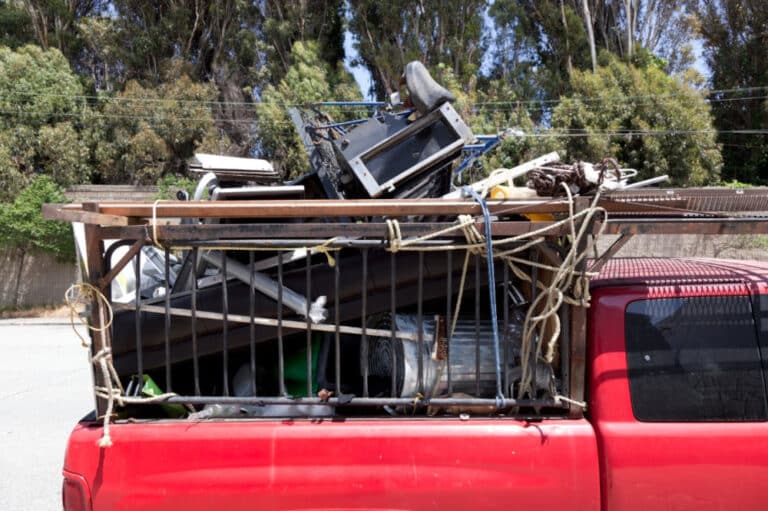
- Building materials: drywall, carpet, insulation, wood
- Furniture and mattresses
- Appliances
- Electronics
- Paint, chemicals, fuel and cleaners
Sorted piles are faster to load, easier for an adjuster to see, and ready if a collection program is announced.
8. Where Flood Debris Goes in the Verde Valley
Yavapai County transfer stations
The county’s directory lists the Camp Verde Transfer Station at 2600 E. Highway 260, (928) 713-8910, open Tuesday through Saturday, 8 a.m. to 4 p.m. The Camp Verde waste tire yard is at the same address. County sites close on federal holidays, including Veterans Day (Yavapai County transfer station list; Yavapai County Solid Waste Division).
- Call before you load. These are regular directory hours. They don’t confirm storm hours, flood debris acceptance or fees.
- Keep your scale tickets and receipts. They belong with your insurance claim records.
- Cottonwood and other sites: the county directory also lists the City of Cottonwood’s transfer station and other facilities. Check with the operator directly.
More disposal options are on our landfills and transfer stations page.
Is there a special flood debris pickup?
As of Nov. 2, we had not found a special flood debris collection, fee waiver or curbside program from Yavapai County, Camp Verde, Cottonwood or Sedona. The county’s spring 2026 free slash program ended in June and covered vegetation only. The state said its Emergency Operations Center is coordinating debris removal (KTAR), which so far refers to roads. We’ll update this section if a residential program is announced.
EPA’s advice in the meantime: check whether your community will pick up flood debris, or rent a dumpster or hire a hauler (EPA).
Donate what’s still usable
Clean, dry items that never touched floodwater, like furniture from upstairs rooms or a garage shelf above the waterline, may still be useful to someone. Local thrift stores and charities decide what they accept, so call first. Anything flood soaked, especially mattresses and upholstered furniture, should go to disposal, not donation.
Hazardous materials
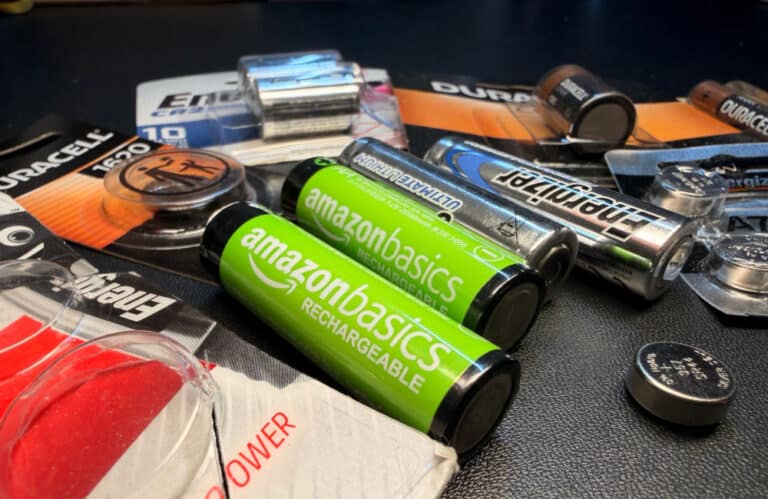
Keep paint, pesticides, pool chemicals, fuel, batteries and propane cylinders out of your regular debris pile. Ask the transfer station how to handle them before you bring them in. For refrigerators, freezers and AC units, ask about refrigerant handling before hauling.
9. Renters and Landlords
If you rent
- Your stuff is on your policy, not your landlord’s. Your belongings are usually covered only by your own renters or flood contents policy. Standard renters policies often exclude flood (FloodSmart).
- Document your belongings the same way owners do: photos, lists, serial numbers, receipts.
- Tell your landlord in writing about the damage, with photos and the date.
- Don’t rely on verbal promises about rent, repairs or your deposit. Get it in writing.
- Don’t go back into a restricted unit for belongings until officials and the owner clear access.
- Know your options under Arizona law. Under A.R.S. 33-1366, if a fire or other casualty substantially impairs your use of the unit, you can move out right away and give written notice within 14 days to end the lease. Or, if it’s lawful to stay, you can vacate the unusable part and have rent reduced to match. If the lease ends this way, the landlord returns your recoverable deposit (A.R.S. 33-1366). This is general information, not legal advice. Talk to a lawyer or a tenant help line about your situation.
If you own a rental
- Your building policy, or a separate flood policy, covers the structure. Your tenant’s policy covers their belongings.
- Coordinate access with your tenant for the adjuster and contractors.
- Repairs in a floodplain may need a permit first. See section 10.
10. When to Call a Pro
Before you rebuild, check the permit rules
If your home is in a mapped floodplain and the damage is heavy, repairs can trigger extra requirements. Under FEMA’s National Flood Insurance Program rules, a building is “substantially damaged” when restoring it would cost 50% or more of its market value. Your local floodplain official makes that call, and it can mean bringing the building up to current flood standards (FEMA). Check with Yavapai County Flood Control or your town’s building department before major repairs.
Choosing a contractor
- Be careful with anyone who shows up at the door after a flood asking for a large payment up front.
- Check any contractor with the Arizona Registrar of Contractors before you sign.
- Get a written estimate and a written scope that says what the company will and won’t do, where debris goes, and how they handle hazardous materials.
- Ask your insurer what they’ll cover before you agree to anything.
Watch for scams
Fraud often follows disasters. Red flags:
- Door to door offers that need cash or a big deposit before any work starts
- Pressure to sign today, or to sign over your insurance check
- Anyone claiming to be from FEMA or your insurer who asks for money or bank details. Ask for ID and call the agency or your insurer back on a number you look up yourself.
- Fake charities asking for donations in the flood’s name
If you think you’ve been targeted, file a consumer complaint with the Arizona Attorney General. The AG’s consumer protection page has more on common scams.
The quick list again
- Building official or structural professional: cracks, shifting, sagging, or questions about whether the home is safe to live in or needs a permit
- Electrician: wet panel, outlets, wiring, before power goes back on
- Gas company, propane supplier or plumber: any gas smell or flooded gas appliances
- HVAC professional: wet ducts, furnace or air handler
- Restoration company: extraction and structural drying
- Mold remediation: big or recurring mold
- Septic service: a flooded or backed up septic system
- Junk removal: hauling the damaged contents and materials out
Flooded cars and trucks
- Don’t start it. If water got into the engine, starting it can cause more damage. NHTSA says to do a thorough check before you start a vehicle that sat in floodwater, because damage may not be visible (NHTSA).
- Hybrid and electric vehicles: NHTSA warns flooded batteries can short and catch fire. Don’t park one in a garage or within 50 feet of your house, another vehicle or anything that burns (NHTSA).
- Call your auto insurer, not your flood insurer. Car flood damage usually falls under the comprehensive part of an auto policy, if you carry it.
- Photograph the waterline inside the car and in the engine bay before it’s towed.
11. Verde Valley Local Resources
- Emergency alerts: YavapaiReady.gov and Yavapai County Sheriff’s emergency notifications
- Coconino County (Sedona and Oak Creek Canyon side): coconino.az.gov/ready
- Road status: AZ511
- Flood history and floodplain rules: Yavapai County Flood Control
- Transfer stations: Yavapai County Solid Waste Division
- Town of Camp Verde: 473 S. Main St., (928) 554-0000 (campverde.az.gov)
- Shelters: during the flood, FOX10 reported a temporary shelter at the Camp Verde Parks and Rec Gym, 473 Main St., and AZFamily reported a shelter at Sedona Red Rock High School. Confirm before going. Find current Red Cross help at redcross.org.
- Federal status and claims: FEMA declarations and NFIP start a claim
- Yavapai-Apache Nation members: see the Nation’s public safety advisory for contacts.
- Food and medicine questions: FDA, 1-888-463-6332 (FDA contact page)
- Feeling overwhelmed: the SAMHSA Disaster Distress Helpline is free and open 24/7. Call or text 1-800-985-5990 (SAMHSA).
- Scams: Arizona Attorney General consumer complaints
12. Flood Cleanup FAQ
What should I do first after a flood?
Wait for the official all clear, check the outside for gas and electrical hazards, then photograph everything before you clean. Call your insurer and start drying the house within 24 to 48 hours (EPA; FEMA).
What should I throw away after a flood?
Anything porous that floodwater soaked and you can’t fully clean and dry in 24 to 48 hours. That usually means mattresses, upholstered furniture, carpet and pad, wet drywall and insulation, and any food, drinks or medicine that touched the water (EPA; Red Cross; FDA). Photograph it and keep samples for your adjuster first.
How much drywall do I remove after a flood?
FEMA’s rule of thumb is to remove soaked drywall to 12 inches above the waterline. Water can wick higher, so check for moisture above that line. Pull all wet insulation except rigid board, and let the wall cavity dry completely before closing it up.
How do I dry out a house after a flood?
Remove standing water, open every door, window, cabinet and closet, and run fans and dehumidifiers once the power is safe. Keep going until materials read 15% or less on a moisture meter (EPA). Don’t run a flooded HVAC system until a pro cleans it.
How soon does mold grow after a flood?
EPA says mold can grow on materials that stay wet for more than 24 hours. Anything you can’t dry within 24 to 48 hours should be treated as moldy.
Can I save water damaged furniture?
Solid wood, metal and hard plastic furniture can often be cleaned and dried. Upholstered furniture and mattresses that soaked in floodwater usually can’t, because the padding holds water and contamination (EPA; Red Cross).
Should I throw things out before the insurance adjuster comes?
FEMA’s flood claims checklist says don’t discard anything before the adjuster sees it, unless it’s a health hazard or local law requires it. FloodSmart adds that health risks like spoiled food and moldy cushions should go right after you photograph them. Photograph everything and keep samples.
Where can I take flood debris in Camp Verde?
Yavapai County lists the Camp Verde Transfer Station at 2600 E. Highway 260, (928) 713-8910. Call first to confirm hours and what they’ll accept. You can also hire a hauler.
Is FEMA assistance available for the 2026 Verde Valley flood?
The governor declared a state emergency on Nov. 2, 2026. A state emergency is not a federal declaration. As of Nov. 2, no federal major disaster declaration had been issued, and FEMA individual assistance is available only if one is approved. Flood insurance claims don’t need a declaration.
Do renters have to keep paying rent after a flood?
Under A.R.S. 33-1366, if a casualty substantially impairs your unit, you may be able to end the lease with written notice within 14 days of moving out, or stay in the usable part with a rent reduction. Check with a lawyer about your situation.
13. Need Help Hauling It Out?
Flood cleanup is a lot of lifting. Once your photos are taken and your adjuster has seen what they need, we can haul out ruined furniture, mattresses, carpet, drywall, appliances and yard debris, or handle a full property cleanout from homes, garages, rentals and storage units. Our flood debris removal page explains what we haul and how it works.
We’re based in Camp Verde and work across the Verde Valley, including Camp Verde, Sedona, Cottonwood, Clarkdale, Cornville and Rimrock. We do the lifting and loading, then take it to the right place: usable items to donation where we can, the rest to responsible disposal.
We don’t do water extraction, drying or mold remediation. For those, call a restoration company first, then call us for the cleanout.
To get on the schedule, call (928) 395-6441 or contact us. Send a few photos and tell us what your insurer still needs to see before anything leaves, and we’ll give you an estimate.
This guide is general information, not legal, insurance, medical or safety advice. Conditions after a flood change quickly, so check details with local officials, your insurance company and qualified professionals before you act. Information was current as of November 2026.
Sources
Federal
- FEMA NFIP Claims Checklist for Policyholders (May 2026)
- FEMA, Dealing With Mold and Mildew in Your Flood Damaged Home
- FEMA, Substantial Damage FAQ
- FloodSmart (NFIP)
- CDC, Guidelines for Cleaning Safely After a Disaster
- CDC, Reentering Your Flooded Home
- EPA, Homeowner’s and Renter’s Guide to Mold Cleanup After Disasters
- EPA, Flood Cleanup: Protecting Indoor Air Quality (402-F-18001)
- EPA, Flood Cleanup to Protect Indoor Air and Your Health
- EPA, Frequent Questions About Flooded Homes
- CDC, Floodwater safety
- EPA, Mold Cleanup in Your Home
- FloodSmart, Document your damage
- FloodSmart, Disaster assistance vs flood insurance
- NHTSA, Flood-damaged vehicles
- SAMHSA Disaster Distress Helpline
- FDA, After a Storm or Flooding: Food Safety
Red Cross
Industry and state
- IICRC position statement on water categories (2026)
- Massachusetts, water damage response quick reference
Arizona and local
- Arizona Attorney General, consumer complaints
- Town of Camp Verde
- Yavapai County transfer station list
- Yavapai County Solid Waste Division
- Yavapai County Flood Control, Substantial Damage Rule
- Yavapai County Flood Control, Past Flood Events
- Yavapai County Sheriff, Emergency Notifications
- A.R.S. 33-1366, Fire or casualty damage
- KJZZ, statewide emergency, Nov. 2, 2026
- KTAR, statewide emergency
- Yavapai-Apache Nation advisory